

Essential Guide to Steam Quality Testing for Pharma Manufacturers and the Importance of EN285 Certification
- Jun 23
- 3 min read
Steam sterilization plays a critical role in pharmaceutical manufacturing. It ensures that equipment, instruments, and products are free from harmful microorganisms, safeguarding patient safety and product integrity. However, the effectiveness of steam sterilization depends heavily on the quality of the steam used. Poor steam quality can compromise sterilization, leading to contamination risks and regulatory non-compliance.
This guide explains the fundamentals of steam quality testing, highlights the significance of EN285 certification, and offers practical advice for quality assurance (QA) managers and validation engineers in the pharmaceutical industry.
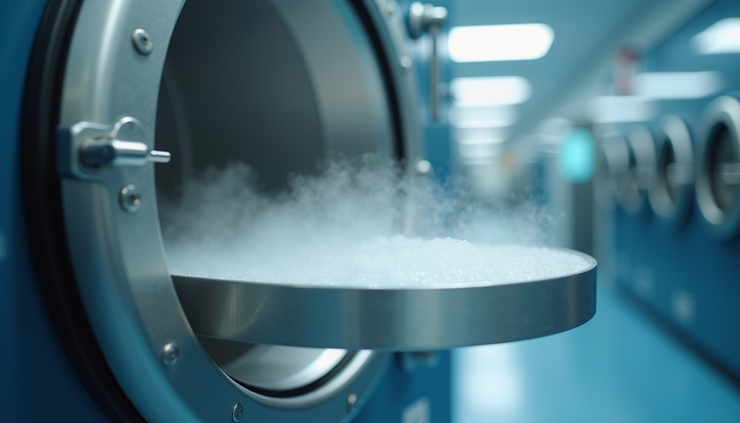
Why Steam Quality Matters in Pharma Manufacturing
Steam is the most widely used sterilizing agent in pharmaceutical production. It kills microorganisms through heat and moisture, making it highly effective when properly controlled. However, steam that contains impurities such as water droplets, non-condensable gases, or chemical contaminants can reduce sterilization efficiency.
Key risks of poor steam quality include:
Incomplete sterilization leading to microbial contamination
Damage to sensitive equipment due to corrosion or deposits
Product quality issues affecting safety and efficacy
Regulatory non-compliance resulting in costly recalls or shutdowns
Ensuring steam meets stringent quality standards is essential for maintaining product safety and regulatory approval.
Understanding EN285 Certification and Its Role
EN285 is a European standard that specifies requirements for large steam sterilizers used in healthcare and pharmaceutical settings. It covers design, performance, testing, and quality assurance of sterilizers and the steam they use.
For pharmaceutical manufacturers, EN285 certification means:
The sterilizer and steam supply meet strict performance criteria
Steam quality is tested and verified according to defined parameters
The sterilization process is validated and reproducible
Compliance with regulatory expectations for sterilization equipment
EN285 certification provides confidence that steam sterilizers operate safely and effectively, supporting product quality and patient safety.
Key Steam Quality Parameters QA Managers and Validation Engineers Should Know
Steam quality testing focuses on several critical parameters that influence sterilization performance:
Dryness fraction: The percentage of steam that is free from water droplets. Steam should be at least 97% dry to avoid wetting and uneven heat transfer.
Non-condensable gases (NCGs): Gases like air or carbon dioxide reduce steam temperature and sterilization efficiency. NCGs should be below 3% by volume.
Pressure and temperature: Steam must reach and maintain specific pressure and temperature levels for effective sterilization cycles.
Chemical purity: Steam should be free from contaminants such as oils, rust, or chemicals that can damage products or equipment.
Regular monitoring of these parameters helps ensure consistent steam quality.
Best Practices for Steam Quality Testing in Pharma
QA managers and validation engineers can follow these best practices to maintain high steam quality:
Use calibrated instruments designed for steam testing, such as thermometers, pressure gauges, and moisture analyzers.
Perform routine steam quality tests before and during sterilization cycles to detect deviations early.
Implement a steam quality monitoring program that includes sampling points at critical locations like steam generators, distribution lines, and sterilizer chambers.
Train personnel on steam quality standards, testing procedures, and troubleshooting techniques.
Document all test results and corrective actions to support audits and regulatory inspections.
Maintain steam generation and distribution systems regularly to prevent contamination and equipment failure.
Common Challenges in Steam Quality Testing and How to Overcome Them
Pharmaceutical manufacturers often face challenges when testing steam quality:
Detecting non-condensable gases can be difficult without specialized equipment. Using chemical or physical methods such as vacuum degassing or gas analyzers helps improve accuracy.
Measuring dryness fraction requires precise instruments and proper sampling techniques. Using calibrated moisture meters and following EN285 guidelines ensures reliable results.
Steam contamination from lubricants, rust, or chemicals can be hard to identify. Regular maintenance and water treatment reduce contamination risks.
Inconsistent steam supply due to pressure fluctuations or equipment faults affects test outcomes. Monitoring system performance and addressing issues promptly maintains stability.
By anticipating these challenges, teams can implement effective solutions and maintain steam quality.
Maintaining Compliance and Ensuring Product Safety
Regulatory bodies such as the FDA and EMA require pharmaceutical manufacturers to validate and control sterilization processes rigorously. Steam quality testing aligned with EN285 certification supports compliance by:
Demonstrating that sterilizers operate within validated parameters
Providing documented evidence of steam quality and sterilization effectiveness
Reducing risks of product contamination and recalls
Supporting continuous improvement through regular monitoring and corrective actions
QA managers and validation engineers must integrate steam quality testing into their quality management systems and validation protocols to meet regulatory expectations and protect patient safety.


Comments