

Burn-In Ovens vs Environmental Chambers Key Differences and Considerations for Equipment Buyers
- Jun 24
- 4 min read
Choosing the right testing equipment is critical for manufacturers and quality assurance teams. Burn-in ovens and environmental chambers are two common options used to test the durability and reliability of electronic components and other products. While they may seem similar at first glance, these devices serve distinct purposes and offer different advantages. Understanding their key differences, applications, and cost factors can help equipment buyers make informed decisions that align with their testing needs.
This post explores the main features of burn-in ovens and environmental chambers, highlights their advantages, and outlines important considerations when selecting between them. We also introduce MSL Italy’s product range and maintenance services, which support buyers with reliable equipment and expert care.
What Are Burn-In Ovens and Environmental Chambers?
Burn-in ovens and environmental chambers are both designed to simulate conditions that products might face during their lifecycle. However, they focus on different types of stress testing.
Burn-In Ovens
Burn-in ovens expose products, especially electronic components, to elevated temperatures for extended periods. This process accelerates aging and helps identify early failures caused by manufacturing defects or material weaknesses. The goal is to ensure that only reliable units reach the market.
Typical features of burn-in ovens include:
High temperature ranges, often up to 260°C or more
Uniform heat distribution for consistent testing
Large capacity to test multiple units simultaneously
Controlled airflow to maintain temperature stability
Burn-in ovens are widely used in semiconductor manufacturing, electronics assembly, and other industries where early-life failure detection is critical.
Environmental Chambers
Environmental chambers simulate a broader range of environmental conditions beyond just heat. They can control temperature, humidity, vibration, and sometimes pressure to test how products perform under various real-world scenarios.
Key features of environmental chambers include:
Temperature control from sub-zero to high temperatures (e.g., -70°C to +180°C)
Humidity control to simulate moisture exposure
Programmable cycles for temperature and humidity changes
Options for vibration or altitude simulation in advanced models
These chambers are used in automotive, aerospace, medical device, and consumer electronics industries to verify product durability and compliance with standards.
Key Differences Between Burn-In Ovens and Environmental Chambers
Feature | Burn-In Ovens | Environmental Chambers |
Primary Function | Accelerated aging through high heat | Simulate diverse environmental conditions |
Temperature Range | High temperatures (up to 260°C or more) | Wide range, including low and high temps |
Humidity Control | Usually no humidity control | Precise humidity control available |
Testing Duration | Long-term continuous exposure | Variable, including cycling and short tests |
Applications | Early failure detection in electronics | Comprehensive environmental testing |
Cost | Generally lower initial cost | Higher cost due to complexity and features |
Size and Capacity | Large capacity for batch testing | Variable sizes, often smaller than ovens |
Advantages of Burn-In Ovens
Burn-in ovens offer several benefits for specific testing needs:
Focused on Early Failure Detection: By stressing components at high temperatures, burn-in ovens reveal defects that might cause early-life failures.
Cost-Effective for High-Volume Testing: Their simpler design and focus on heat make them more affordable for large batch testing.
Reliable Temperature Uniformity: Advanced airflow systems ensure consistent heat exposure across all units.
Ease of Use: Burn-in ovens typically have straightforward controls and require less complex programming.
These advantages make burn-in ovens ideal for semiconductor manufacturers and electronics producers who need to screen large volumes of components quickly.
Advantages of Environmental Chambers
Environmental chambers provide broader testing capabilities:
Versatile Testing Conditions: They simulate temperature, humidity, and sometimes vibration or altitude, offering a more complete picture of product durability.
Compliance with Industry Standards: Many industries require testing under specific environmental conditions, which environmental chambers can replicate.
Programmable Cycles: Users can create complex test profiles that mimic real-world usage patterns.
Smaller Footprint Options: For labs with limited space, compact environmental chambers are available.
This versatility suits industries like automotive and aerospace, where products face diverse and changing environmental stresses.
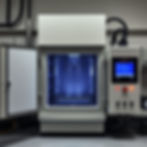
Factors to Consider When Choosing Between Burn-In Ovens and Environmental Chambers
Selecting the right equipment depends on several factors related to your testing goals, budget, and operational needs.
Testing Requirements
Type of Stress Needed: If your primary concern is early failure due to heat, a burn-in oven is sufficient. For testing under varying temperature and humidity, choose an environmental chamber.
Product Sensitivity: Delicate components may require precise humidity control, favoring environmental chambers.
Standards Compliance: Check if your industry standards specify certain environmental conditions.
Cost and Budget
Initial Investment: Burn-in ovens generally cost less upfront.
Operating Costs: Environmental chambers may consume more energy due to humidity and temperature cycling.
Maintenance: More complex systems like environmental chambers might require more frequent servicing.
Efficiency and Throughput
Batch Size: Burn-in ovens often handle larger batches, improving throughput.
Test Duration: Environmental chambers allow for shorter, varied test cycles.
Space and Installation
Available Space: Consider the footprint of the equipment.
Installation Requirements: Environmental chambers may need additional utilities like water for humidity control.
MSL Italy’s Product Range and Maintenance Services
MSL Italy offers a comprehensive selection of burn-in ovens and environmental chambers tailored to diverse industry needs. Their products combine reliability, precision, and user-friendly interfaces.
Product Highlights
Burn-In Ovens: Designed for uniform heat distribution and large capacity, ideal for electronics manufacturers.
Environmental Chambers: Available in various sizes with advanced humidity and temperature control, suitable for automotive, aerospace, and medical testing.
Maintenance and Support
MSL Italy provides expert maintenance services to keep your equipment running efficiently. Their support includes:
Scheduled preventive maintenance to avoid downtime
Calibration services ensuring test accuracy
Rapid response for repairs and technical assistance
Choosing MSL Italy means investing in equipment backed by professional service, helping you maintain testing quality and extend equipment lifespan.
Practical Examples of Use Cases
Semiconductor Manufacturer: Uses burn-in ovens to screen thousands of chips daily, detecting early failures before shipment.
Automotive Supplier: Employs environmental chambers to test electronic control units under temperature and humidity cycles that mimic real driving conditions.
Medical Device Producer: Relies on environmental chambers to verify device performance in sterile, humid environments.
These examples show how matching equipment capabilities to specific testing needs improves product reliability and compliance.
Selecting between burn-in ovens and environmental chambers requires a clear understanding of your testing goals and operational constraints. Burn-in ovens excel in high-temperature, long-duration stress testing for early failure detection, while environmental chambers offer versatile environmental simulation for comprehensive product evaluation.
MSL Italy’s range of reliable equipment and dedicated maintenance services supports buyers in making choices that ensure quality and efficiency. Assess your testing requirements carefully, consider cost and space factors, and partner with trusted suppliers to achieve the best results.